
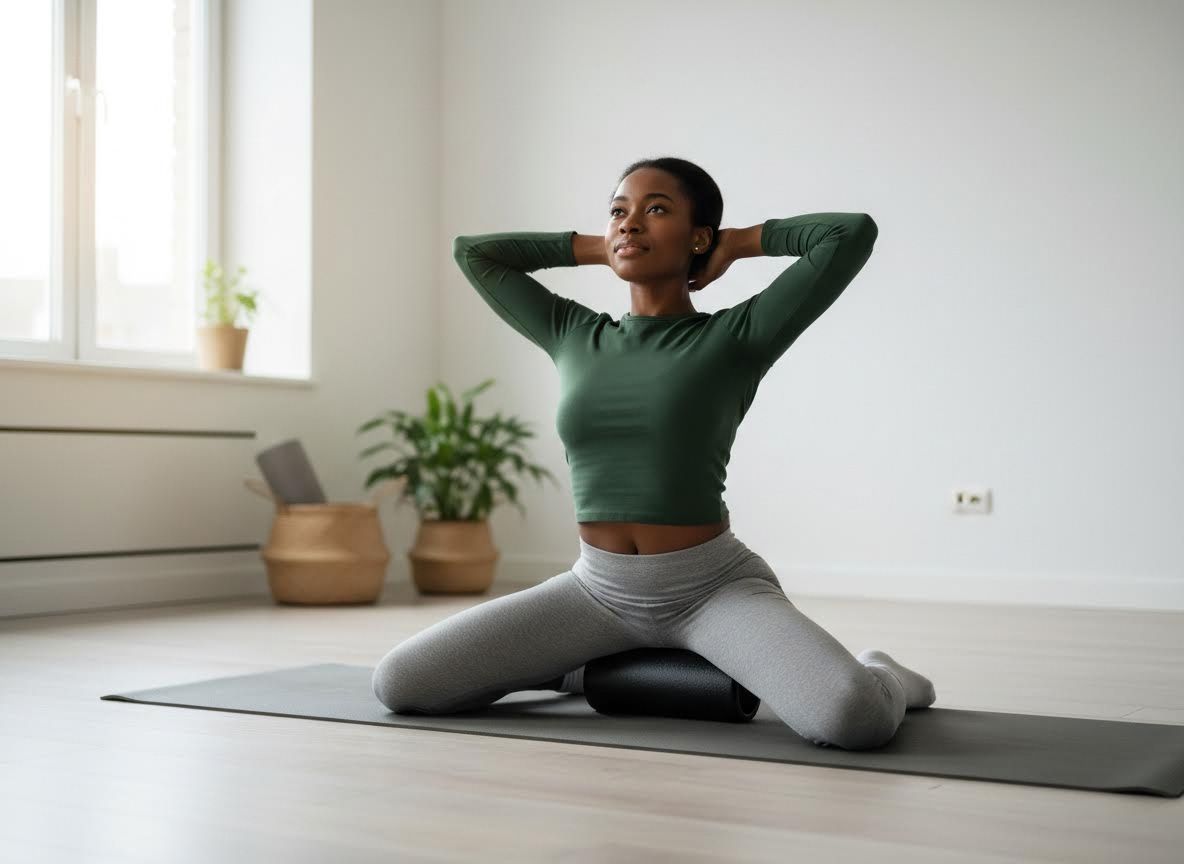
Embarking on a fitness journey often focuses on strength and cardio, but understanding the fundamentals of movement is equally crucial for long-term success and injury prevention. Phenom Trainers recognizes the importance of building a solid foundation, which is why we advocate for incorporating corrective exercise into your routine, even from the comfort of your home. This approach helps address muscle imbalances and improve functional movement, setting the stage for a healthier, more active life.
What is Corrective Exercise?
Corrective exercise is a systematic approach to identifying and addressing physical imbalances that can lead to pain, injury, and decreased performance. It involves using specific exercises to improve muscle activation, flexibility, and strength where there are deficiencies, often caused by repetitive movements, prolonged sitting, or poor posture. The goal is to restore optimal movement patterns, ensuring your body functions efficiently and without unnecessary strain. Think of it as fine-tuning your body's mechanics before pushing it through more intense workouts.
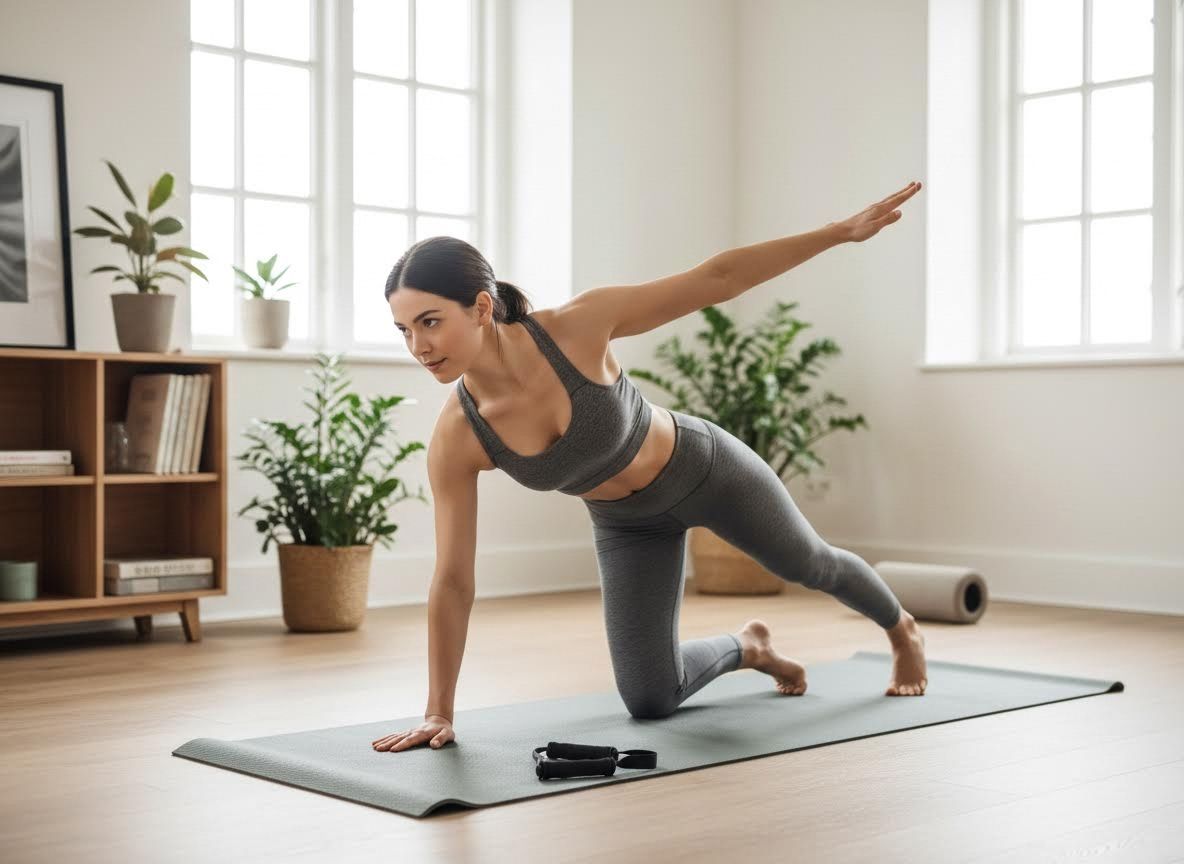
Why Incorporate Corrective Exercise at Home?
Many common aches and pains, such as lower back discomfort or shoulder tension, stem from muscle imbalances that can be alleviated with targeted movements. When you engage in corrective exercise, you are actively working to counteract the physical stresses of daily life, which often involve extended periods of sitting or asymmetrical actions. Performing these movements at home allows for consistency and provides a proactive way to maintain your body's structural integrity, preventing minor issues from escalating into significant problems and enabling you to perform other exercises safely and effectively.
Simple Exercises to Improve Posture
Improving posture is a common goal for many and a prime example of where corrective exercise shines. There are several accessible exercises to improve posture that can be done without any equipment. For instance, thoracic extensions performed over a foam roller can help mobilize the upper back. Wall angels are excellent for activating shoulder stabilizers and opening up the chest. Glute bridges help strengthen the glutes, which often become inactive from prolonged sitting, contributing to hip and lower back issues. Focusing on proper form and controlled movements in these simple exercises will yield significant benefits over time.
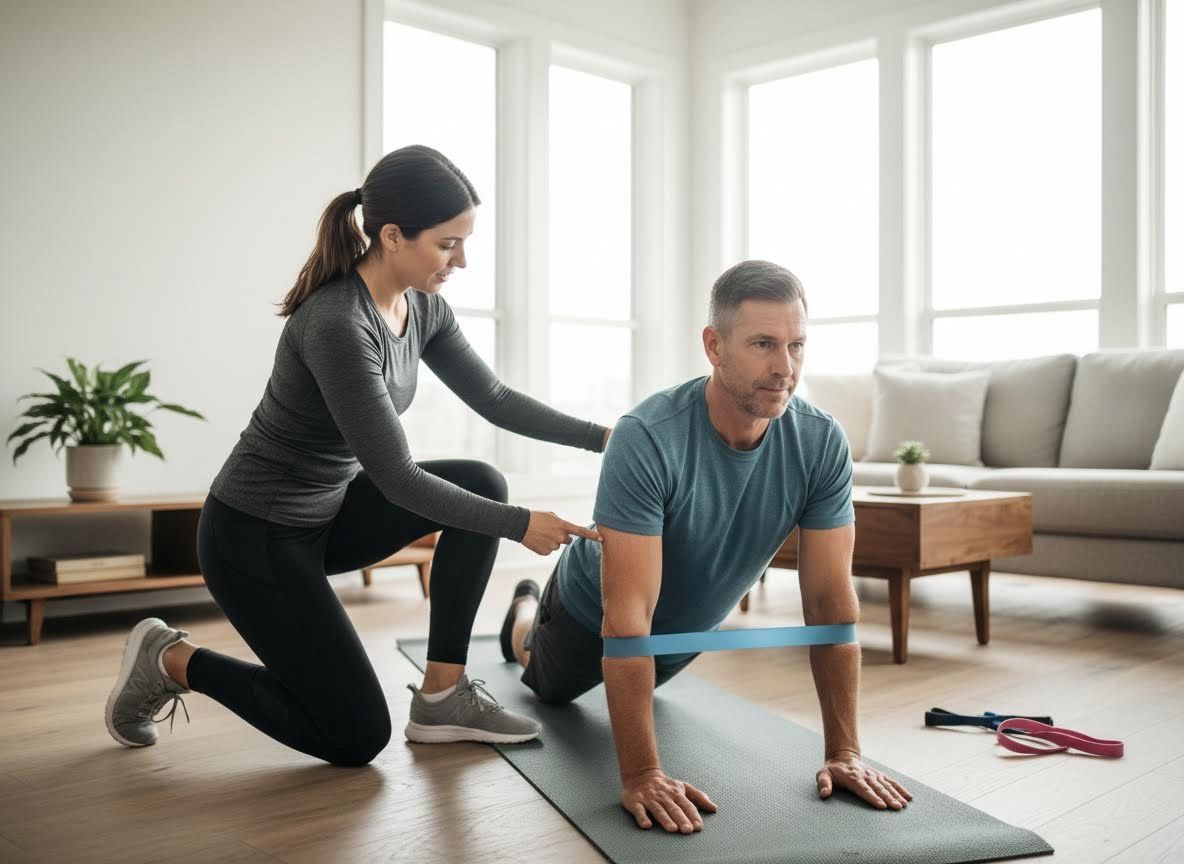
The Value of Professional Guidance
While many corrective exercise techniques can be learned and practiced at home, understanding the root cause of an imbalance and designing a truly effective program often requires expert guidance. A professional, such as a corrective exercise specialist, can conduct a comprehensive assessment to pinpoint specific areas of concern and prescribe a personalized regimen. For those serious about their physical well-being, working with a trainer who holds a NASM CES certification ensures they have advanced knowledge in identifying and correcting movement dysfunctions, making your at-home corrective exercise routine more precise and impactful.
Corrective exercise is the key to a balanced, injury-free body—especially when training at home. It’s not just about working out; it’s about moving better and unlocking your physical potential. Connect with the experts at Phenom Trainers today to start your custom corrective exercise plan.